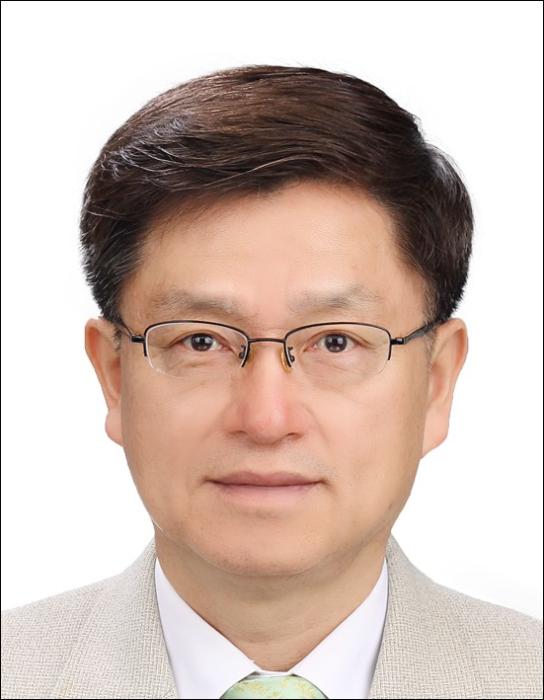
Secretary-General, Pyeongtaek Shalom Nabi · Executive Director, Korea Civil Society Design · Staff Reporter, Weekly Citizen Square
The Crisis of Korean Society and the Essence of Faith
Korean society is shaking. Communities are fractured, and inequality grows deeper each year. The church, once regarded as a moral compass, now often appears silent—or even complicit. Too many congregations have reduced faith to a private ritual, a weekend habit of consumption. Yet the essence of faith cannot remain locked inside the sanctuary.
Over two thousand years ago, Jesus rebuked the Pharisees(Matthew 23:23). They tithed mint and herbs with meticulous care but abandoned the weightier matters of the law: justice, mercy, and faithfulness. That warning is not an ancient tale. It is the mirror that today’s Korean church and civil society must face.
Five Strategies for Applying Faith to Society
1. Public Dimension of Faith: Churches must break out of enclosed religiosity and connect biblical values to local issues such as housing, environment, education, and welfare.
2. Ground-Level Institutional Reform: Listening to the grievances of marginalized citizens and linking them to policy change is the concrete practice of “loving one’s neighbor.”
3. Governance and Cooperation: Beyond resistance, civic movements must build structures where business, government, and civil society work together. Examples include the development of Mosangol Peace Park(2018), the dust-reduction agreement with Hyundai Steel, and the AMP(Alternative Maritime Power) project at Pyeongtaek Port(2021).
4. Empowering the Next Generation: Hosting the UN & International Youth Leadership Conference in Pyeongtaek and the Youth Leadership School (2015) trained young people to become citizens capable of shaping local change.
5. Proposing Alternative Lifestyles: Bicycle paths, community libraries (2018), local food movements (2023), housing initiatives, and environmental protection efforts presented new models for communal life.
Concrete Achievements
Over the past two decades, civic movements in Pyeongtaek have proven that these strategies can bring about real change.
1. Reduction of LH Public Housing Rent (2019–2020): From 255,000 KRW(South Korean Won) to 65,000 KRW per month, saving residents about 1.2 billion KRW annually.
2. Restoration of Tongbok Stream(2019): Civic groups and the city worked with the Ministry of Environment to secure 20 billion KRW, reviving an urban ecosystem.
3. Dust-Reduction Agreement with Hyundai Steel (2019): Through public-private cooperation, 600 million KRW in scholarships was secured, fine dust was reduced by 65%, and a model for business–community coexistence was established.
4. Normalization of Pyeongtaek University (2022): Professors, staff, and civic groups worked together for four years to restore the institution.
5. Bicycle Path Network (2007): Policy advocacy secured a 30 km eco-friendly route to Pyeongtaek Lake.
6. Housing Support (2020): Vulnerable youth and adults, including those living in saunas, were connected to rental housing, resolving conflicts between tenants and landlords.
7. International Solidarity: Hosting the UN Youth Leadership Conference (2013) and the Forum on Human Globalization (2022) connected Pyeongtaek to global discourse.
These achievements go beyond solving small grievances; they show how civic movements can reshape institutions and culture.
Lessons and Tasks
Achievements are important, but lessons are just as critical. Christian civic movements lose their founding spirit when leaders become consumed by the lust for power, and distortion follows quickly. For such movements to remain healthy, they require self-sacrificial leadership and a balance of generational renewal and succession. Above all, for churches and civic organizations to serve as engines of community transformation, they must move beyond private piety and live out justice, mercy, and faith in public life. Faith is more than personal integrity; it includes communal responsibility. A culture of each-for-himself betrays faith, while restoring collective responsibility is the path to recovering its essence. The justice, mercy, and faith emphasized by Jesus are not merely religious virtues. They must be reinterpreted today as fairness and responsibility, love and trust in civil society. When churches and civic movements walk this path together, communities can be transformed and society renewed.