 |
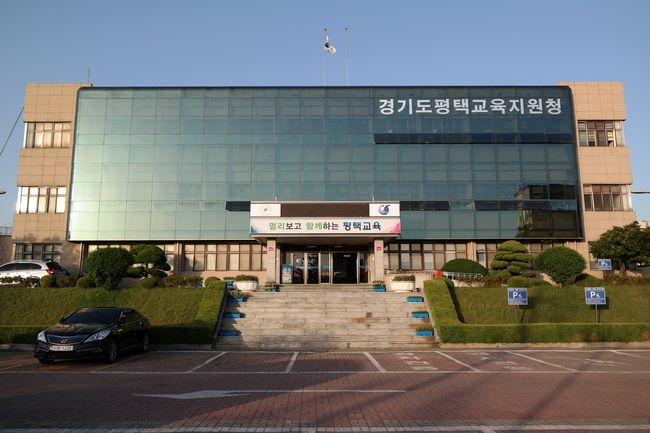
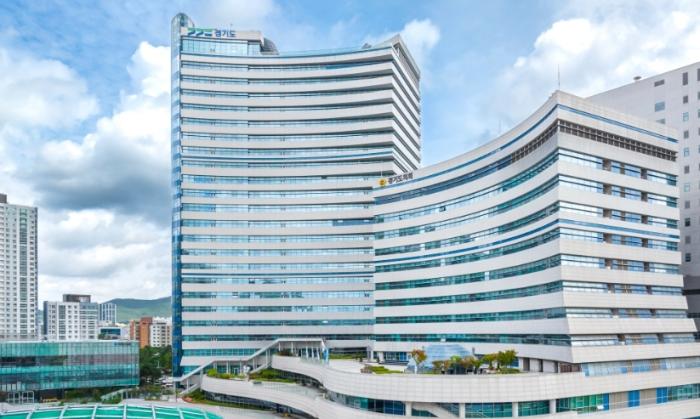
| Gyeonggi Provincial Government Complex(Photo courtesy of Gyeonggi Province) |
[PYEONGTAEK — Weekly Citizen Square] By Jo, Jonggun
Summary Box
• Complete ban on direct household waste landfilling in the capital region from Jan. 1, 2026
• Provincial capacity: 3,500 tons/day vs. 4,700+ tons/day actual waste generated
• Private-sector treatment fees expected to surge to 170,000–300,000 KRW per ton
• Province urges cities to secure budgets, accelerate public incinerator projects, and tighten oversight
• Pyeongtaek Eco-Center (Awesomeplex): early-built, community-negotiated model of waste autonomy
• Province also calls for winter disaster preparedness amid abnormal weather patterns
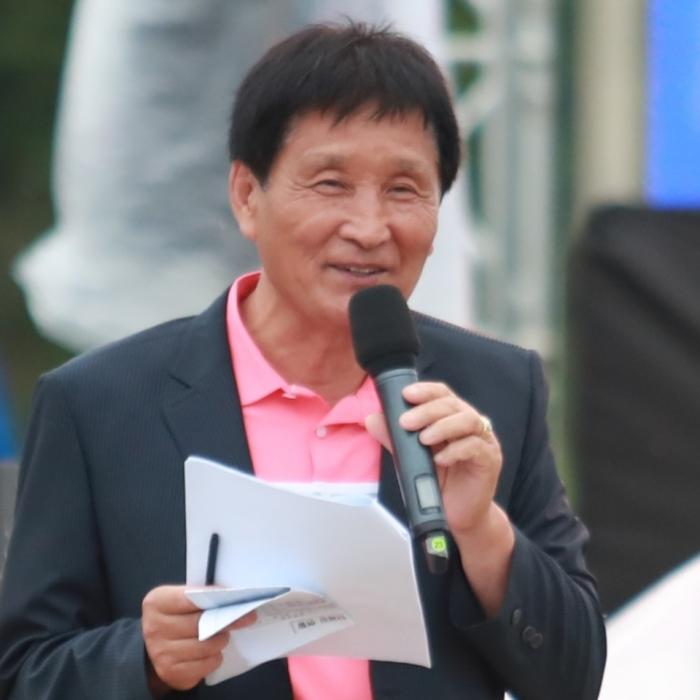 |
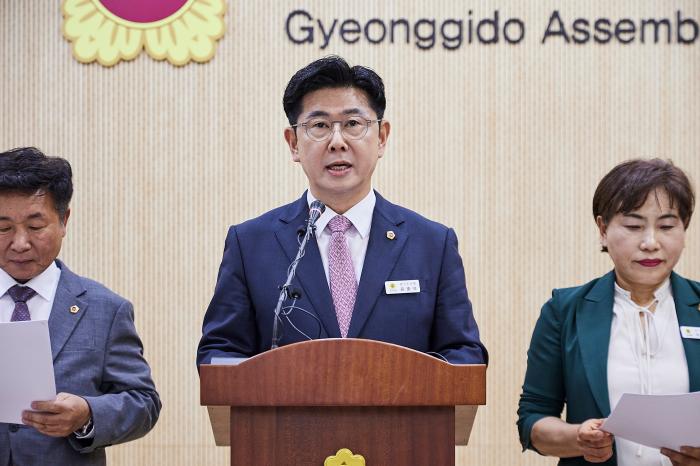
| Cooperative Chairman An San-ho |
With the Seoul Capital Area set to enforce a full ban on direct landfilling of household waste starting January 1, 2026, Gyeonggi Province has activated an “emergency response mode.” As municipalities brace for rising costs and a shortage of incineration capacity, one local case — the Pyeongtaek Eco-Center’s Awesomeplex, led by cooperative head An San-ho(안산호)— is drawing renewed attention as a model of early, community-aligned preparation.
At the 9th Gyeonggi Province–Municipal Deputy Mayors’ Meeting on Nov. 18, the provincial government laid out its comprehensive response to the upcoming ban that will require all household waste in the capital region to be incinerated rather than landfilled.
Local governments currently rely on a mix of municipal incinerators and direct landfilling at the metropolitan site. But once the ban comes into force, cities will face a sharp increase in processing costs and heightened pressure to secure independent treatment capacity.
Gyeonggi Province’s incineration capacity stands at about 3,500 tons per day, far short of the region’s daily household waste output of more than 4,700 tons. While 21 cities are building new facilities, most will not be operational until 2027–2030, creating an unavoidable short-term gap.
This gap will push municipalities toward private waste processors, where treatment fees can run from 170,000 to 300,000 KRW(KRW = Korean Republic Won) per ton, compared with the current 110,000 KRW for direct landfilling. The province urged cities to:
• secure sufficient waste-treatment budgets for 2026,
• accelerate public incinerator construction timelines, and
• strengthen inspections of private operators.
 |
| Photo courtesy of Pyeongtaek Eco-Center’s Awesomeplex |
Among the examples cited informally by officials, the Pyeongtaek Eco-Center’s Awesomeplex, launched in 2020 under the stewardship of cooperative leader An San-ho, stands out. The facility enabled Pyeongtaek to achieve a level of waste self-reliance, significantly reducing exposure to external shocks. An is also credited with easing community concerns through transparent communication and negotiation — an approach rarely seen in contentious facility siting.
The province also called for enhanced readiness for winter disasters, recalling the severe early-season snowstorm that hit the region last year.
Reporter’s View
The landfill ban is not merely a regulatory shift; it is a stress test of incineration infrastructure, local governance, and public trust. Capacity shortages will make municipalities more dependent on private processors, amplifying not only costs but also environmental-safety risks.
In this context, the leadership shown at Pyeongtaek’s Eco-Center deserves wider recognition. An San-ho’s cooperative model — emphasizing communication, transparency, and negotiated consent — demonstrates that waste facilities can be built and operated with minimal conflict when trust is prioritized. It also shows that self-reliant waste processing is not an idealistic slogan but a practical buffer against policy shocks.
Ultimately, the success of the landfill ban will hinge on one question: Can the government’s speed and civil society’s trust move in harmony? Gyeonggi Province’s answer to that question will likely define the next decade of waste-management policy in Korea.