 |
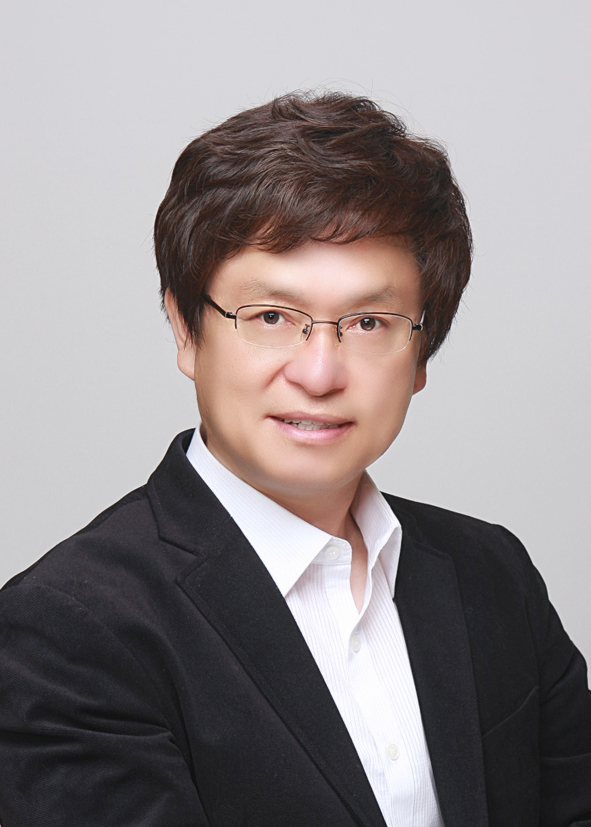
By Jong-Gun Jo
(Chairperson, Korean Civil Society Design} |
The recent controversy surrounding Chief Justice Cho Hee-dae goes beyond a matter of judicial judgment. It calls into question the very foundation of the rule of law in the Republic of Korea. The question we must now confront is this: Are we truly living under the rule of law, or are we being governed by rule by law?
The rule of law means that the law stands above power and applies equally to all. In contrast, rule by law refers to a system in which those in power use the law as a tool to advance their own interests. Allegations of “selective justice,” “rushed proceedings,” and “procedural irregularities” have raised serious concerns that the law is no longer functioning as an impartial standard, but rather as an instrument shaped by power and interests. Whether these suspicions are fully substantiated or not, what matters is that a growing number of citizens already perceive them as real. The crisis of law begins not with verdicts, but with the collapse of trust.
At this point, a critical distinction must be made. The independence of the judiciary and the independence of adjudication are not the same. Judicial independence is an institutional safeguard designed to protect the courts from interference by the legislative and executive branches. However, it does not imply immunity from accountability. The judiciary must remain subject to scrutiny and oversight by the people and the Constitution. By contrast, the independence of adjudication operates on a fundamentally different level. Each judge must render decisions based solely on the law and conscience, free from influence by any power, organization, or public pressure.
The problem arises when these two concepts are deliberately conflated. When “judicial independence” is invoked to silence criticism, independence itself becomes a form of power. Conversely, when political forces intrude upon the judicial process, justice disappears. What we are witnessing today is precisely the collapse of this boundary. While the judiciary claims independence from external powers, it is increasingly suspected of operating as another form of concentrated power through internal hierarchy and opaque procedures.
This is the essence of the controversy surrounding Chief Justice Cho. Questions about the speed, direction, selectivity, and procedural integrity of judicial decisions are not merely technical legal issues—they raise a more fundamental concern: whether the judiciary is upholding the rule of law itself. If the law operates differently depending on timing, target, or context, then it is no longer the rule of law. It is simply the exercise of power cloaked in legal form.
True rule of law can only exist when independence and accountability function together. The judiciary must be free from the influence of power, but it cannot be free from the people. At the same time, adjudication must remain independent from any form of external control. Independence is not immunity—it demands a higher level of responsibility.
What we need now is not to defend or attack the judiciary, but to restore the spirit of the law beyond its formal structure. The law must not take sides—it must stand with justice alone. And that justice is not completed by those in power, but by the trust of the citizens.